"Exhibiting windows of light and thought"
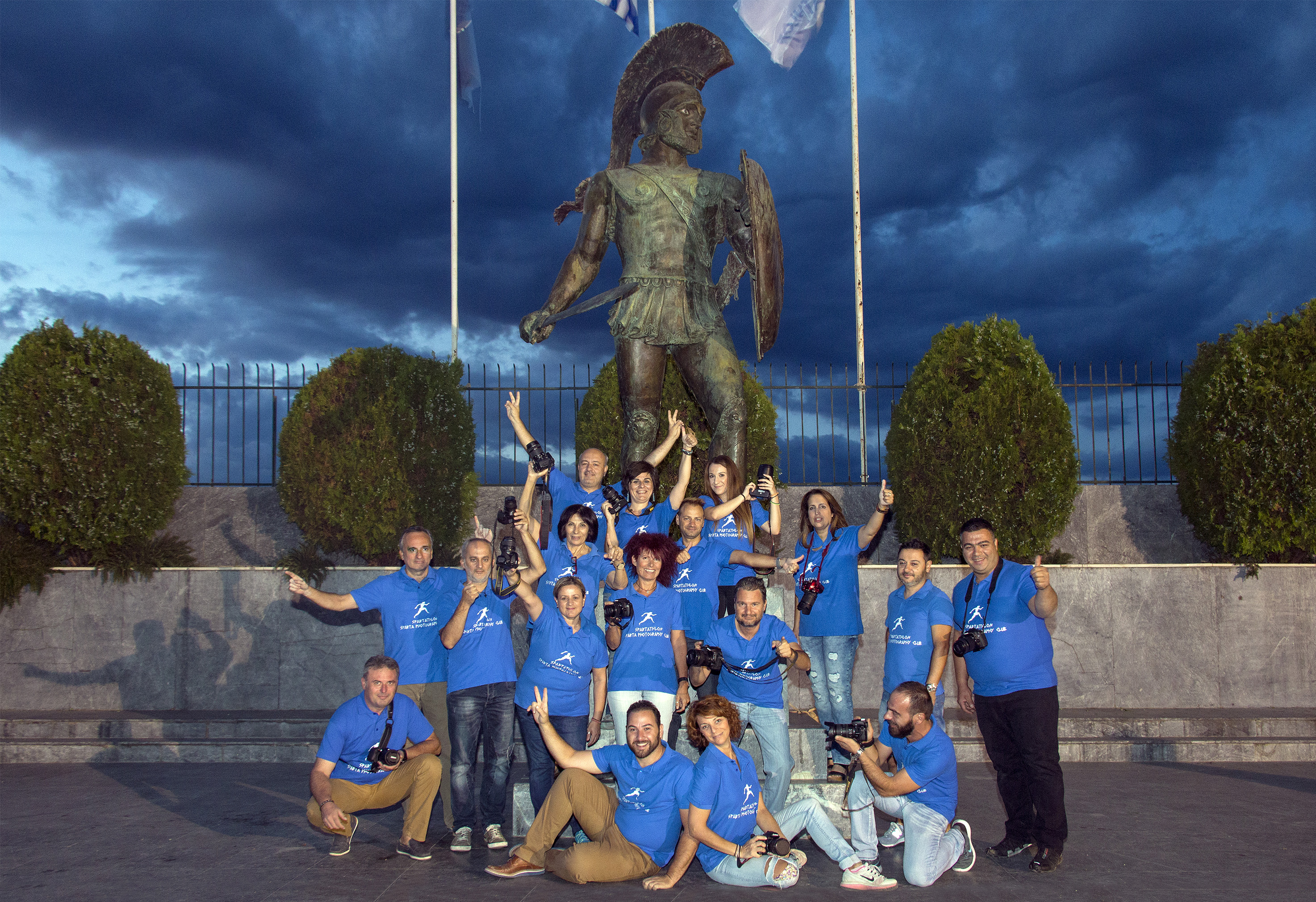
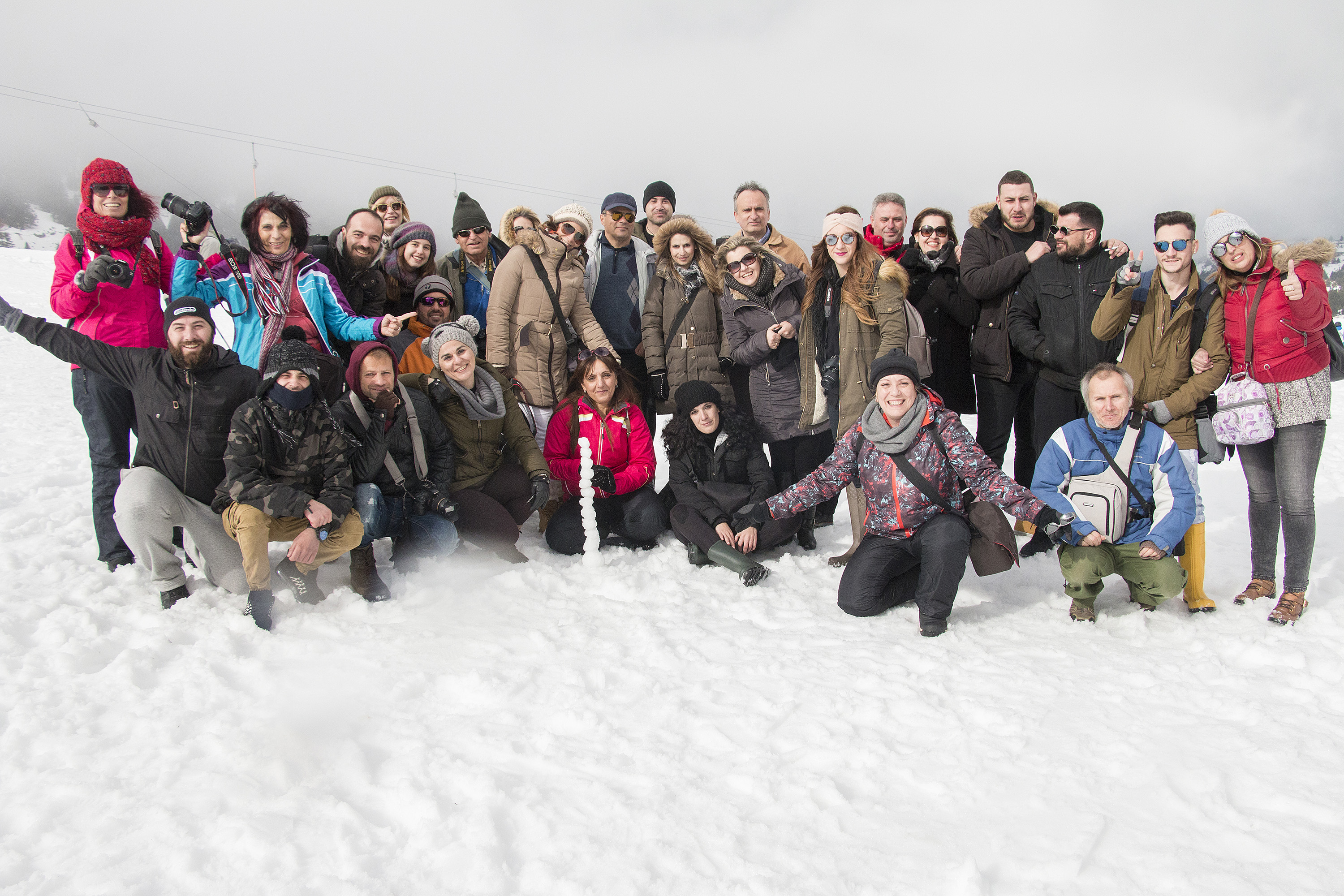
The Sparta Photography Club (LE.FO.S.), active since 2001, is one of the most vibrant cultural organizations in the region. With a steadfast focus on the love for photography and a strong spirit of collaboration, LE.FO.S. continuously evolves, promoting photographic education and artistic creation both within and beyond the borders of Laconia. Its participation in the 1st Kalamata International Photography Meeting confirms the importance of outreach, exchange, and connection between photography groups and individuals who consistently serve the art.
Interview Natasa Stamatopoulou
Translation Julia Vrioni
1. From 2001 to date, how has the character and role of the Sparta Photography Club evolved within the local community?
Since its founding, LE.FO.S. has played a strong role in Sparta's cultural scene, both by organizing its own events and by supporting those of other local organizations.
Over time, the Club has developed a strong and positive presence in the community, and in recent years, it has become more outward-looking than before.
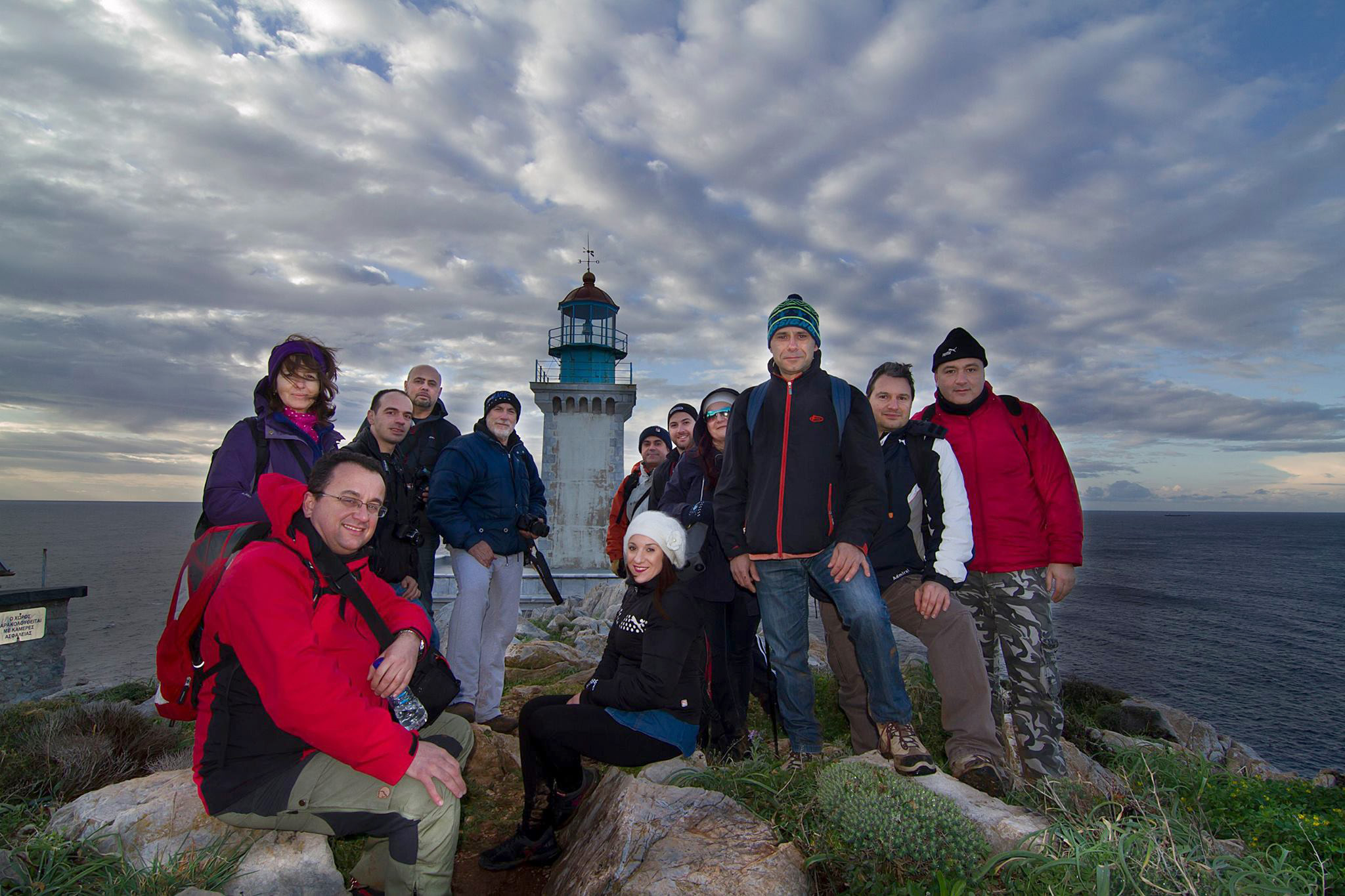
As for its fundamental character, little has changed since its inception. The love for photography remains central to its function, and the atmosphere among members is consistently friendly and sociable, even outside the Club's formal activities.
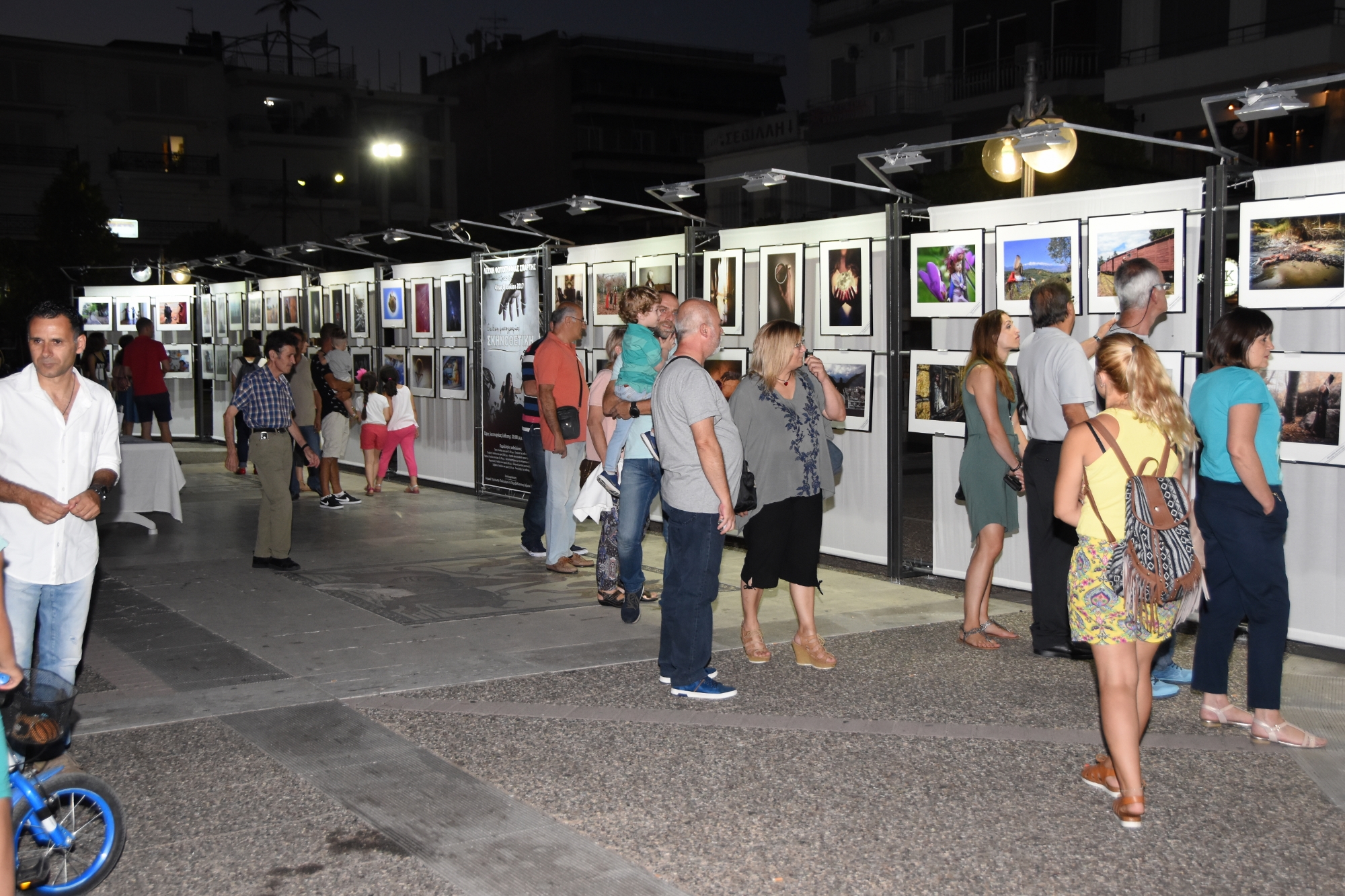
2. What was the theme of your recent "Stories of Windows" exhibition, and what was the public's response?
Was there a message you wanted to convey through it? This year, windows were the central theme of LE.FO.S.'s main photography exhibition.
As with all our exhibitions, we spent about a year preparing our photos. The public's response was very positive, both for the photographs themselves and for the technical presentation of the overall exhibition.
While each photograph had its own story to tell, the overall message the viewer took away was that every window can be an escape to another world of feelings, narratives, and stories—as long as it's open.
3. The photography courses are very popular. What types of people are attracted to LE.FO.S., and what are the main skills someone gains from them?
Our photography courses are divided into two groups: classes for adults and classes for children.
The adult courses focus on the triptych of technique, aesthetics, and critique in photography. They usually last four months, and those who attend gain fundamental knowledge of camera operation, shooting techniques, aesthetic rules and choices, and the history of photography, among other things.
The children's courses focus on aesthetics and basic photography topics.
4. You were an active participant in the photographic aspect of "Spartathlon." How demanding is such a mission, and what stands out to you from that experience?
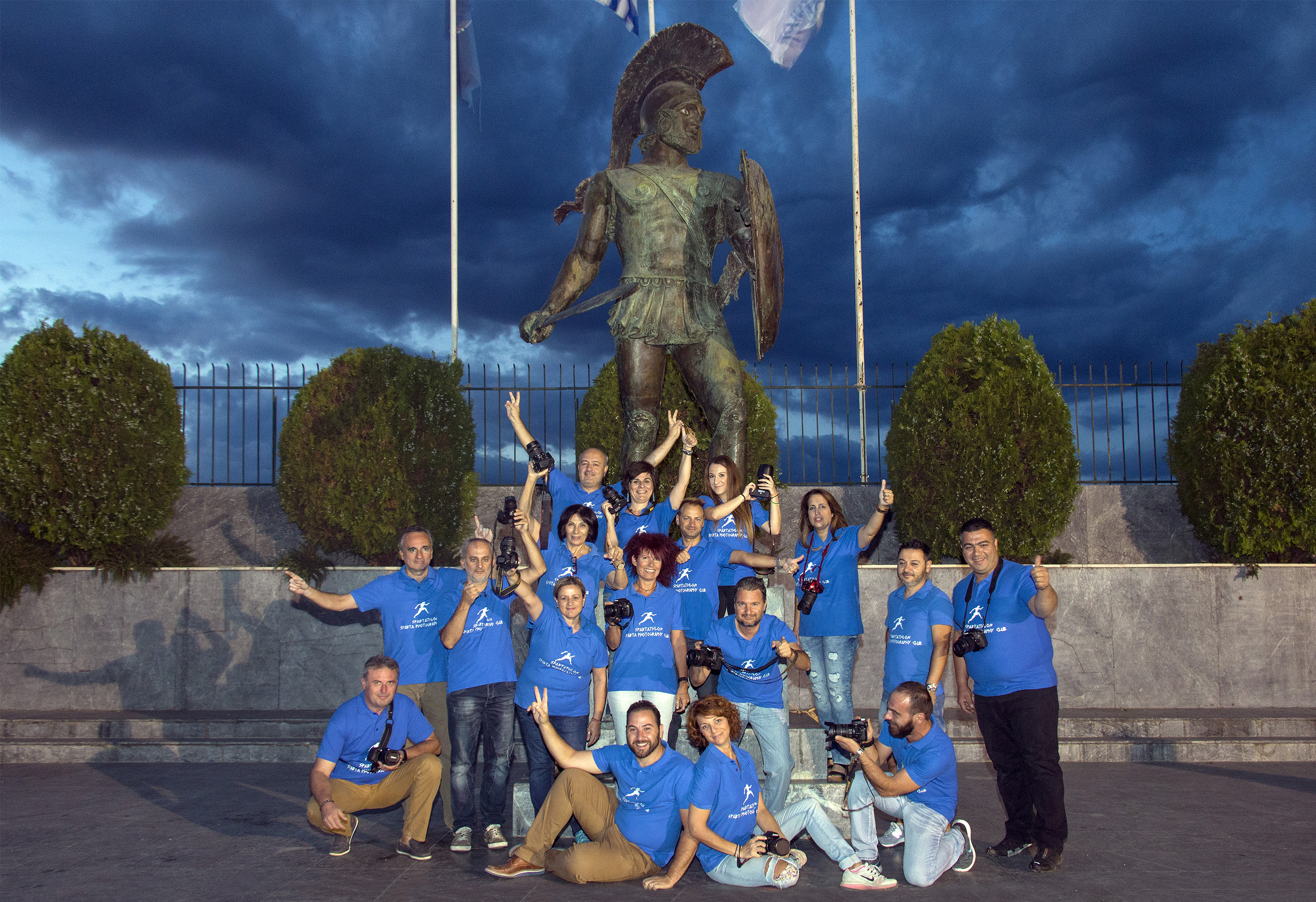
For LE.FO.S., the Spartathlon ultramarathon is a unique opportunity to capture the incredible emotions of the 400 runners who travel the 246 km distance from Athens to Sparta.
Feelings like joy, emotion, pain, and disappointment are pervasive throughout the journey.
Technically, it's a very demanding process, as we photograph hundreds of athletes in hundreds of different locations for many hours and under varying lighting conditions, such as at night or against the sun.
The photographic result usually rewards us, and we must also consider that our volunteer photography promotes both the race and our city, Sparta, to the four corners of the planet.
5. Photography today is more accessible than ever. What role do you think aesthetic education and visual cultivation play for the modern photographer?
The photographic medium is constantly becoming more accessible to everyone.
In an era where everyone photographs everything and shares it instantly, the amateur photographer who loves the craft might need to take slower and more deliberate steps, invest in their aesthetic education, become more selective, and take their time before presenting a body of work.
6. How do you see the impact of technology and social media on young people's relationship with photography? Do you believe the ease of digital images is a creative or a superficial force?
Within the endless volume of photographers online, people with a love, knowledge, and talent for photography have certainly emerged.
However, the massive, fast, and thoughtless nature of digital photography seems to degrade the art into a superficial technique.
The advance of artificial intelligence in photography is something that seriously concerns us about the further devaluation of the art of photography.
7. Which other cultural associations do you collaborate with in Sparta, and how do you see the dynamic of collective artistic work?
Throughout our journey, LE.FO.S. has collaborated closely with the Sparta Spiritual Hearth, the Museum of the Olive and Greek Olive Oil, the National Gallery's branch in Sparta, the Sparta Municipal Philharmonic Orchestra, and many other organizations.
We are always open to collaborations because Sparta is a small city and no artistic or cultural voice is dispensable.
8. What is the vision of the new board for the coming years, and what new steps are you planning for the Club?
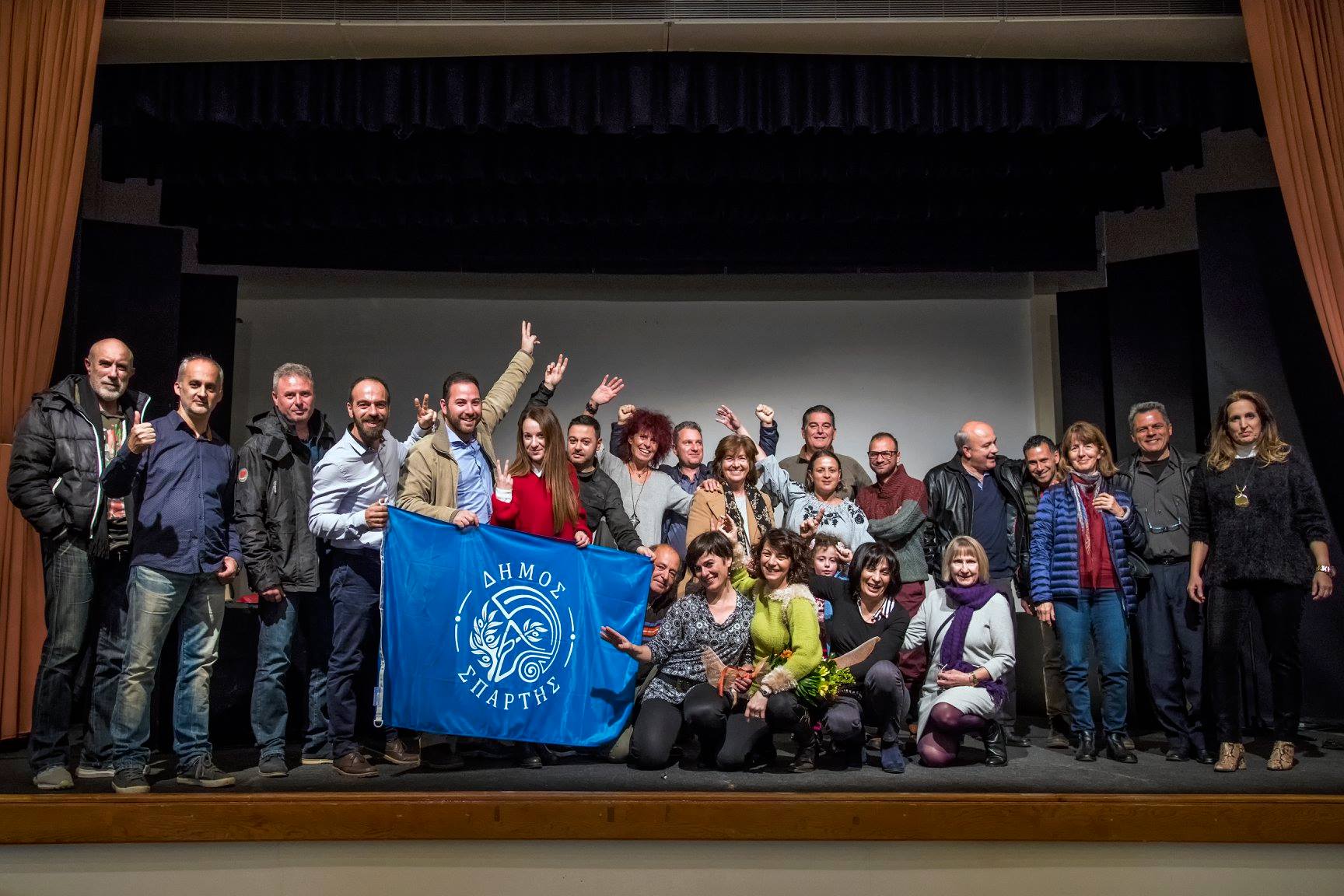
After 25 years of existence, LE.FO.S. is now a mature group. In general, we are building upon all the good things we've created over the years and are continuously striving to build on them and improve at every level.
Our outward-looking approach and collaboration with other photography clubs nationwide are among our main goals for the immediate future, as is participation in photography exhibitions outside the borders of the Laconia region.
9. LE.FO.S. will participate in the first International Photography Meeting in Kalamata. What does this participation mean to you, and how do you see networking among clubs and photographers beyond local borders?
Participation in the first International Photography Meeting is very important to us, and we will try to support it as much as possible to help it become an established institution.
It's important for us to exchange views, to see, to learn, to identify areas for improvement, and generally to better understand our strengths and weaknesses.
This is a crucial process for the photographic self-awareness of LE.FO.S. as a collective, and for each of its members individually.
Two
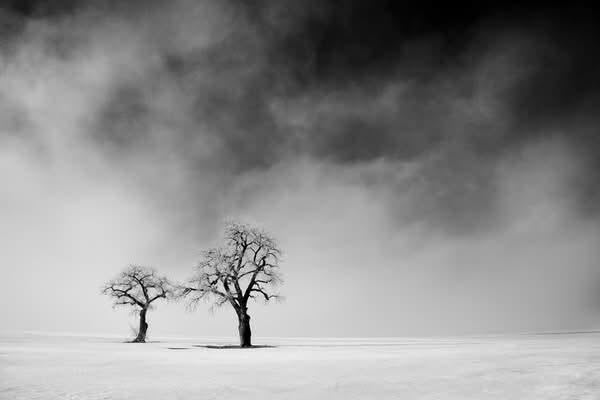
Our monthly theme for friends of our Facebook group.
Grab your camera or phone, explore this month's theme and share your own shot with the group.
Newsletter
Contact
-
Address:
Building No. 9, Eastern Center, Kalamata
(opposite ERT Kalamata) -
Phone:
+30 6974 655 551 -
Email:
photokalamatas@gmail.com - Website: www.fokal.gr
Social Media
-
Facebook Page:
Kalamata Photography Association – F.O.KAL. -
Facebook Group:
Friends of the Kalamata Photography Association – F.O.KAL. -
Instagram:
@fokal_kalamatas