
"From Alexandria to Kalamata: Photographing the Soul of Things"
The Adasa Photography Club is delighted to participate with creative energy in the 1st International Photography Gathering of Kalamata, carrying a photographic perspective that combines technique, sensitivity, and storytelling. True to its values of artistic documentation and a conscious photographic eye, Adasa has evolved into a vibrant hub for expression, learning, and cultural exchange. The club's activities—from educational workshops and photo excursions to participation in international events—are an expression of a constant pursuit: to highlight the story behind every image and the human element within every frame.
As part of our participation in the Kalamata meeting, we are presenting an interview that clearly captures the philosophy, photographic style, and community of Adasa. It is a discussion about light, intention, improvisation, mistakes, inspiration, and the value of community, all seen through the eyes of a representative who expresses not only their personal work but also the collective spirit of a photographic organization with a meaningful mission.
Interwiew Natasa Stamatopoulou
1. How would you describe your personal photographic style? What makes your work unique?
I would describe my style as being at the intersection of narrative realism and artistic documentation. I always strive to capture something deeper than just a beautiful picture; I search for the soul of the scene, whether it’s in a fleeting glance in a portrait or the interplay of light and shadow in a landscape. What makes my work unique is its focus on the “human element” in every shot. Even when photographing nature or architecture, I try to find the human trace or the story left behind. I use high contrast and a focus on fine details not just as aesthetic tools, but as a way to guide the viewer’s eye to the core of the story I’m telling.
2. What inspires you the most: the light, the scene, or the story behind the image?
All three elements are integrated and inseparable, but the story is always the primary driver. The light is the tool I paint with, the scene is the stage, but the story is the soul that gives the image its life and value. I might be captivated by magical light or a beautiful scene, but if there isn’t a tangible feeling or a story to be sensed, I consider the image incomplete. True inspiration comes from those moments when these three elements harmonize perfectly—when the light reveals the details of a scene in a way that serves the story and deepens its impact on the viewer.

3. Do you shoot with intention or follow the spontaneity of the moment? What role does improvisation play in your work?
I work with both approaches. Some projects require pre-planning and clear intention, especially organized photoshoots or long-term documentary projects where I am looking for specific angles and messages. However, even in the most structured plans, I leave ample room for the spontaneity of the moment. Improvisation is an integral part of photography; it’s what adds authenticity and life to the work. The best images often come from unexpected moments—a candid interaction or a sudden change in light. I believe a successful photographer is one who has a clear vision but is flexible enough to embrace what the moment offers.
4. What are the most common mistakes you see among beginner photographers—and how can they avoid them?
Among the most common mistakes I observe are:
• Focusing on gear over vision: Many believe that a more expensive camera will produce better photos, whereas the most important thing is to develop an artistic eye and understand the fundamentals of composition and light. To avoid this, I advise them to challenge themselves with simple equipment and focus on building the image.
• Fear of getting closer: Beginners tend to shoot from a distance, which can make their photos lack impact and intimacy. They need to be bold, get closer to their subjects to fill the frame, and create a stronger connection with the viewer.
• Neglecting the background: Often, the focus is entirely on the main subject while ignoring a cluttered or distracting background. It’s crucial to scan the entire frame and ensure every element serves the photo. • Blind imitation: Trying to copy the work of others without understanding why it succeeds. Inspiration is good, but every photographer must strive to develop their own unique voice.
5. How does the intense natural light in your region influence your photographic approach, especially in terms of shadow and contrast?
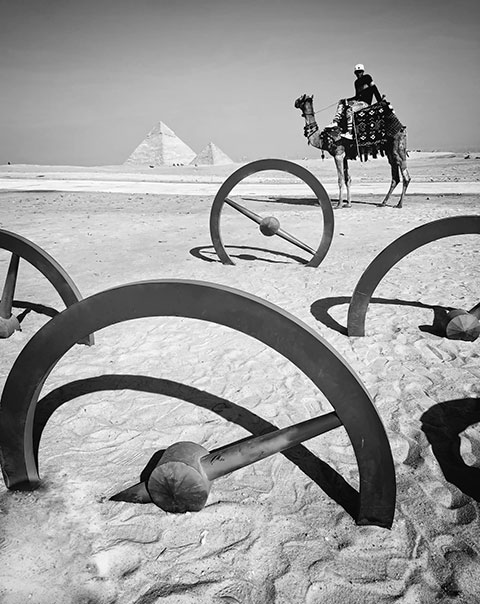
The intense light in our region is not a challenge, but a tremendous creative opportunity. This light creates harsh shadows and dramatic contrast, which I love to use to add depth and power to my work. Instead of avoiding the midday sun, I actively seek out the geometric patterns that shadows cast on walls and floors. This light reveals textures and details that might not be visible in softer lighting, giving the images a unique and bold character. I have learned to use shadows as a key compositional element; they guide the eye, create a sense of mystery, and make the main subject stand out.
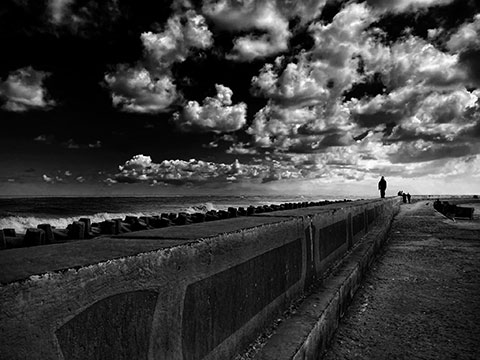
6. Do you believe the ancient culture of your region still inspires modern photographers? If so, how is that reflected through the lens?
Absolutely. Our rich culture and history are an inexhaustible source of inspiration. This inspiration is not just visible in documenting archaeological sites; it is reflected in how photographers see the world around them. We see this in:
• The search for authenticity: There is a trend towards photographing traditional crafts, old markets, and faces that carry the marks of time as a way to preserve and honor our identity.
• Inspiration from colors and patterns: The warm, earthy tones and geometric motifs found in our art and architecture find their way into modern photographic compositions.
• Storytelling: Photographers draw from folk tales and legends to create contemporary artworks that carry historical and cultural depth. The lens becomes a tool to revive heritage and present it in a universal visual language.
7. How does the Adasa Photography Club support the growth and development of its members?
Adasa Club is not just a meeting place; it is a family and a complete ecosystem for growth and development. We support our members through:
• Continuous education: We offer workshops and training courses covering diverse technical and artistic aspects, from basics to advanced techniques.
• Practical application: We regularly organize photowalks and trips, giving members the opportunity for hands-on practice and discovering new locations.
• Constructive criticism: Our photo review sessions allow members to present their work and receive constructive feedback from more experienced photographers, which accelerates their development.
• Community building: Most importantly, we foster a supportive community that encourages knowledge sharing, collaboration, and celebrates everyone’s success.
8. What has been your most memorable photowalk or club activity? What made it stand out?
I vividly remember the photowalk we organized in Ezbet El Borg, a fishing city in Ras El Bar, Damietta Governorate. What made it so special was the unique combination of circumstances. We arrived at dawn to soft, dim light, and the streets were buzzing like a beehive with local fishermen preparing for the day, getting ready to welcome the boats returning from the sea. This atmosphere allowed us to blend into the scene and capture the details of daily life with authenticity and sincerity. The most remarkable moment was when we all gathered to share our best shots on our camera screens, and I saw how each photographer had captured the same place with a completely different vision. It was a moment that truly embodied the power of a creative community and the beauty of diverse perspectives.
9. How does collaboration between members of different experience levels benefit the community?
This collaboration is the cornerstone of Adasa Club’s philosophy. The benefit is mutual and enriches everyone:
• Beginners learn faster: When a beginner works alongside a professional, they gain priceless practical knowledge, learning techniques and tricks that might take them years to discover alone.
• Professionals refresh their vision: Teaching others forces an expert photographer to rethink their fundamentals. Furthermore, the spontaneous questions from beginners can open their eyes to new angles and perspectives they hadn’t considered.
• It fosters a culture of sharing: This interaction breaks down barriers and creates a humble and supportive environment where no one is afraid to ask questions or seek help, leading to faster and stronger collective growth.
10. What are the club’s goals for the upcoming year, and how can someone get involved?
For the upcoming year, we are focusing on three main goals:
1. Expanding educational content: Launching a series of advanced workshops in specialized fields like conceptual photography and videography.
2. Organizing an annual international festival: Showcasing our members’ best work in a prestigious art exhibition to increase their visibility, open new opportunities, and foster cultural exchange by sharing the Egyptian vision on an international level and learning from others’ experiences.
3. Enhancing community engagement: Launching documentary photography initiatives that serve the community and highlight important local issues. Joining us is simple and always welcome. Those interested can visit our website at www.adasaclub.com for membership details and our upcoming events schedule. They can also follow our social media pages to stay updated on our latest news and activities. We welcome anyone with a passion for photography, regardless of their experience level.
Two
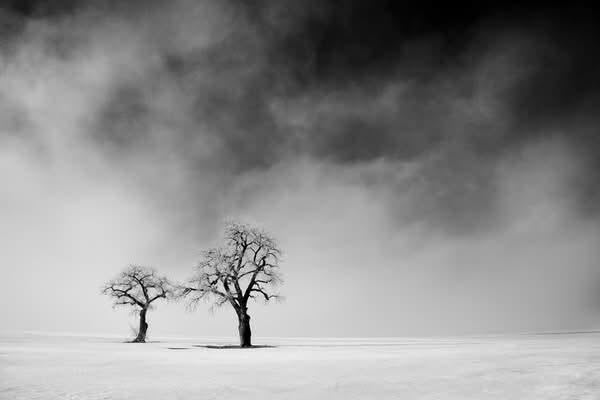
Our monthly theme for friends of our Facebook group.
Grab your camera or phone, explore this month's theme and share your own shot with the group.
Newsletter
Contact
-
Address:
Building No. 9, Eastern Center, Kalamata
(opposite ERT Kalamata) -
Phone:
+30 6974 655 551 -
Email:
photokalamatas@gmail.com - Website: www.fokal.gr
Social Media
-
Facebook Page:
Kalamata Photography Association – F.O.KAL. -
Facebook Group:
Friends of the Kalamata Photography Association – F.O.KAL. -
Instagram:
@fokal_kalamatas