"Renaissance Shadows, Contemporary Feelings"
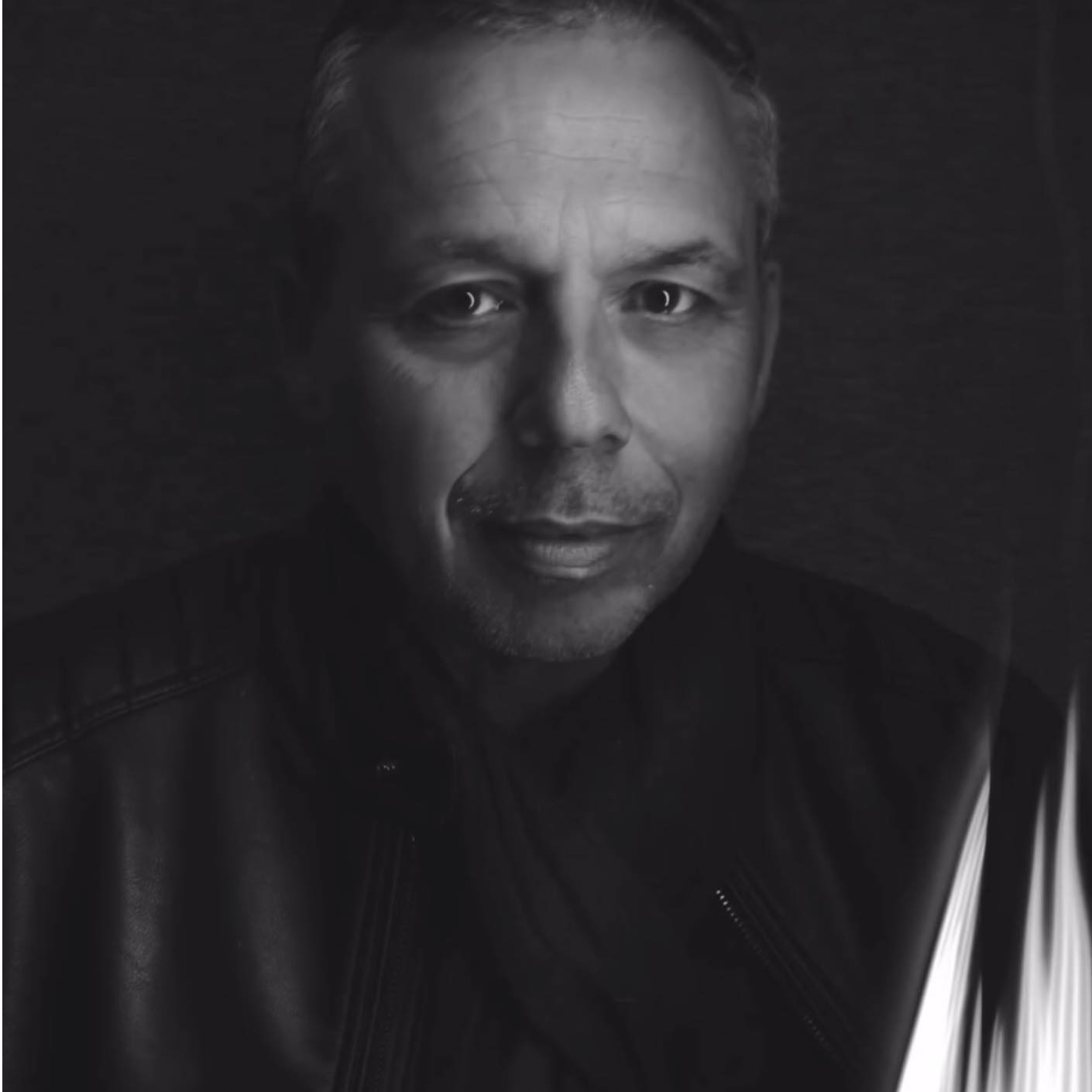
There are photographers who capture moments, and others who transform them into images that are almost painterly. Nikos Pekridis clearly belongs to the second category. Using light and shadow as a backdrop—in the tradition of chiaroscuro and Renaissance paintings—he creates portraits that precisely balance drama and sensitivity. His technique is not limited to the camera's frame: it permeates the composition, the lighting, and even the emotional truth of each couple he photographs.
From a pivotal seminar in 2007 to the present day, he has continuously refined his vision with discipline, international exploration, and, above all, a genuine passion for the essence of photography. In the following interview, he talks about his journey, both geographical and artistic, as well as the challenges, the inspiration, and what it ultimately means to see the world through a lens that doesn't just record, but tells a story.
Interview Natasa Stamatopoulou
Translation Julia Vrioni
From Thessaloniki to the Cyclades and abroad—what is it that attracts you most to photographing a destination wedding?
Destination weddings have their difficulties and unique aspects, but they also have an element of creativity, as each one is different. A different location, a different church, different situations—these are what, in reality, push photographers to leave the security of their local area and go into an unknown environment. The prerequisite is that you love to travel and aren't afraid of challenges.
You've mentioned that the defining change in your photographic approach came in 2007, after a seminar with Yervant. What was it that changed then—in your vision, your philosophy, or even the way you hold the camera?
Indeed, in 2007, Yervant, an Australian photographer, held a seminar in my city and it completely changed my perspective and approach to photography. Although I had already been a photographer for more than 15 years and was quite good on the technical side, I didn't know or understand lighting and composition. I learned more in that one-day workshop than I had in all the previous years. It was like someone had turned on the light in a dark room. Your style is characterized by dramatic lighting and a romantic aesthetic.
How do you manage to balance artistic composition and the authenticity of emotions?
Influenced primarily by the technique of chiaroscuro, Renaissance painters, and also the contemporary photographers who, in turn, inspired and taught me years ago, I too try to recreate, in just a few minutes, an image that resembles the technique and emotion exuded by those paintings. You've also been a mentor to other photographers.
What do you consider essential for a new wedding photographer to grow?
I think that, not just in photography but in general, what someone needs to grow is to have passion, consistency, perseverance, and, of course, love for what they do.
What is the most difficult or unexpected situation you've faced at a wedding and how did you handle it as a photographer?
I think the most difficult period in my career was during Covid. Since the majority of my clients were from abroad or living abroad, for more than two years we had a difficult time, just like many others, of course, because events and travel were prohibited.
How much room do you leave for the "moment" versus planning? Is there room for spontaneity in the strict schedules of a wedding day?
This has to do, first and foremost, with what the couple wants and the style of the wedding itself. For example, a wedding that takes place in an environment where everything is pre-planned and staged is different—in that case, we know how much time we have and what we can do. It's different when we have a wedding where things are more relaxed.
How do you see the future of photography in the next 5-10 years? Do you think technology (AI, mobile, mirrorless) will elevate or overshadow the work of the photographer?
Things have already started to change—for the better in some cases, and for the worse for certain styles and types of photographers and photography. In any case, progress and all that is going to happen won't stop. We've already experienced it with the arrival of the digital age after film, and how fast that transition was!
Is there anything you follow systematically (like photographers, seminars, films, exhibitions, or other media) that you feel helps you continuously evolve as a creator? If so, what is it and why does it inspire you?
Yes, as I am a judge, I participate in global photography competitions and, in turn, I have attended two major conferences for the last 15 years—one in Malaysia and the other in Las Vegas, United States. This year, we have the pleasure and honor of hosting you as a guest at the "1st Kalamata International Photography Meeting," organized by the Kalamata Photography Group.
Tell us about this participation: what does being a part of such an event mean to you, what does the exhibition you will present include, and—if you wish—what message or wish would you like to send to those who love photography and will be participating in the Meeting?
Through the last 15 years and the seminars I have held in over 45 countries, I have collected some images that prove that people share a universal quality. At the end of the day, despite all the differences in religions, traditions, and customs, there is something that unites us all—and that is love. So, I would like to tell all those who are thinking of getting into photography to do it first and foremost because they love it, and because they want to convey—through the camera lens—all that they see with their heart and soul.
Two
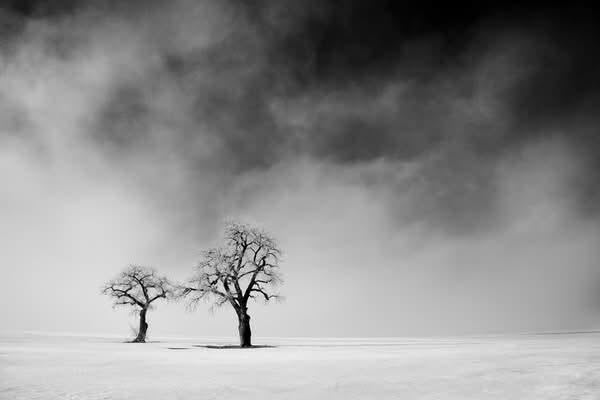
Our monthly theme for friends of our Facebook group.
Grab your camera or phone, explore this month's theme and share your own shot with the group.
Newsletter
Contact
-
Address:
Building No. 9, Eastern Center, Kalamata
(opposite ERT Kalamata) -
Phone:
+30 6974 655 551 -
Email:
photokalamatas@gmail.com - Website: www.fokal.gr
Social Media
-
Facebook Page:
Kalamata Photography Association – F.O.KAL. -
Facebook Group:
Friends of the Kalamata Photography Association – F.O.KAL. -
Instagram:
@fokal_kalamatas