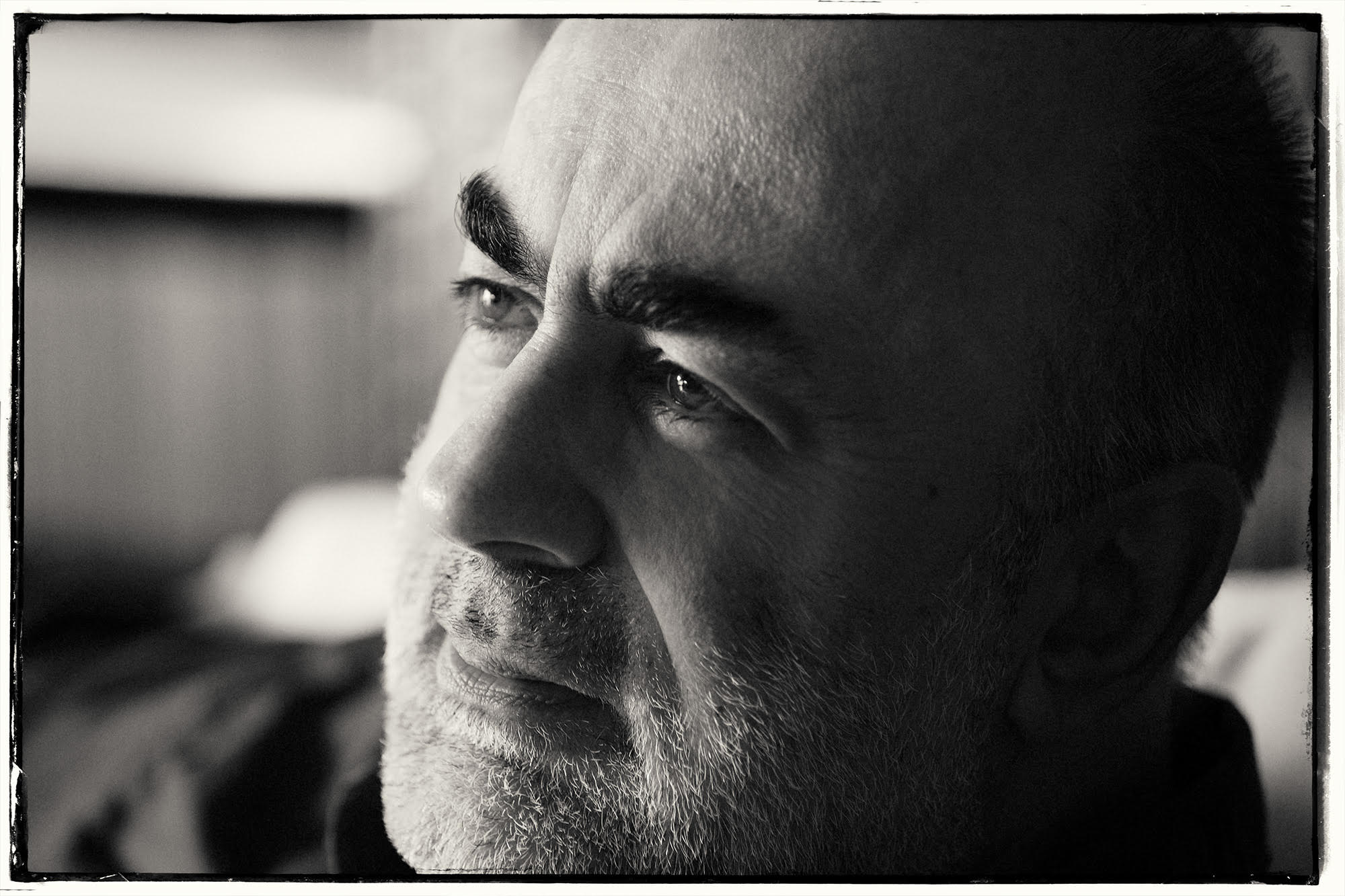
"You don't become a photographer just by having a camera."
Sometimes, the human journey toward art begins not with a grand decision but with a simple gift: your first camera, a film projected in your living room, a learned way of observing. That’s how Vasilis Makris’s creative, enduring relationship with photography started—a relationship that evolved from play to passion, and from passion to vocation.
With a direct and revealing narrative, the photographer guides us through four decades of thoughts and experiences. He speaks about the challenge of finding beauty even in the rubble of a construction site, the magic of natural light, and the importance of form over content. Both an observer and a composer, Makris captures not only what he sees but also what he feels—and, above all, what he respects.
On the occasion of his participation in the 1st "Kalamata International Photography Meeting", he offers a sincere reflection on what it means to be a contemporary photographer in an era where authenticity risks being lost in an ocean of superficial imagery.
Interview by Natasa Stamatopoulou
Translation Julia Vrioni
Originally, how did your special relationship with photography start?
I was raised in a house where there was an 8mm film on, almost on a daily basis. So, the filmography images became a daily habit for me. Documentaries, Laurel and Hardy, but family films as well by my father, who used to shoot all the time. I was still in primary school when I was given a camera as a present and, of course, I started taking pictures.
As I was growing up I went on photographing (with a better camera) and I became an amateur photographer.
A little later, in 1985, I became a professional photographer and I still keep going.
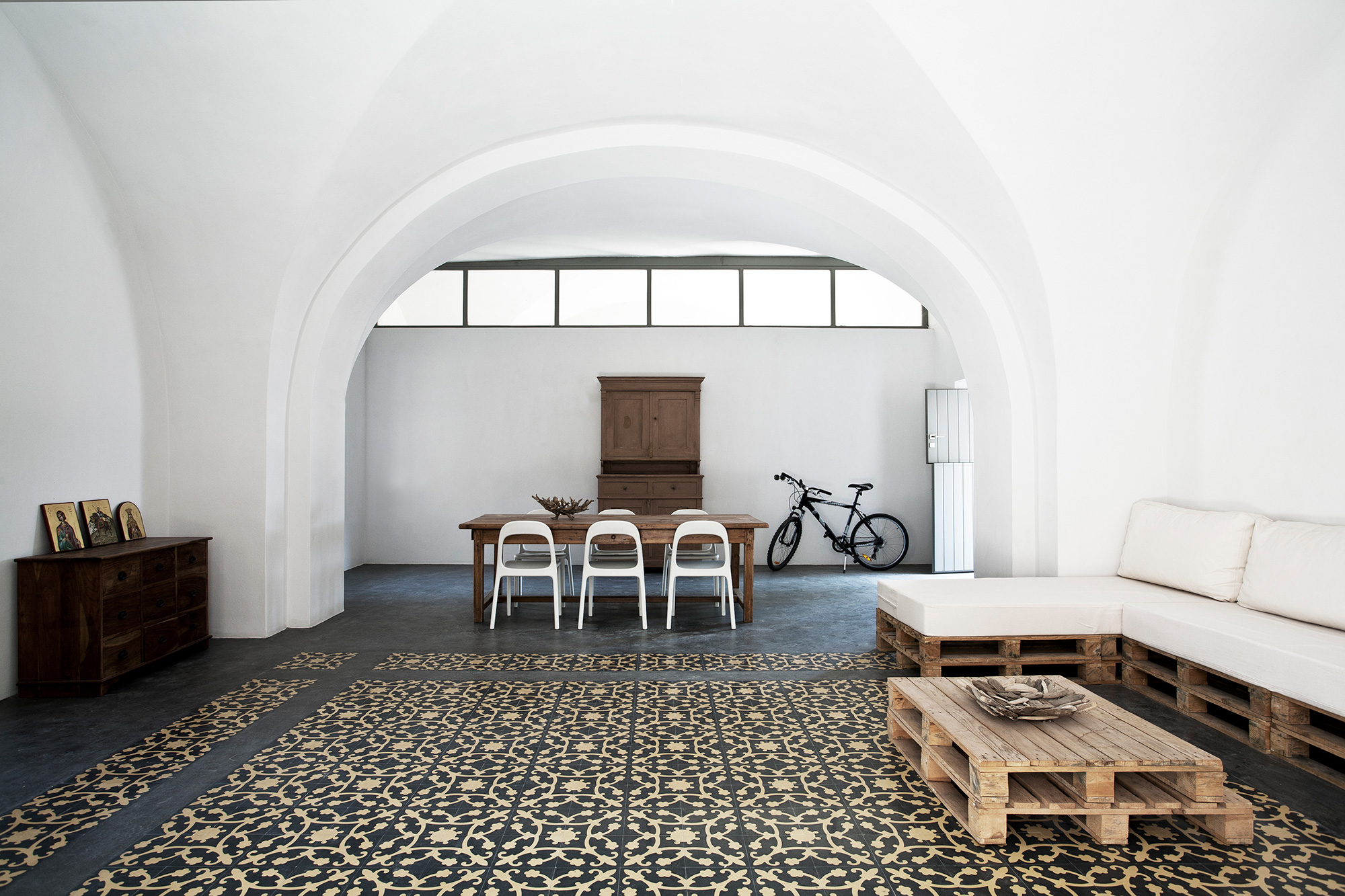
A lot of important photographers are inspired by the "imperfect", the blur or the unaesthetic. Are there any "ugly" details that, finally, formed your favorite pictures?
Everything "ugly" is charming. A wonder, which when you reveal, creates a great tension. A top example of this is Athens.
One of the ugliest (without quotation marks) cities in the world. Its urban landscape though, hides extremely beautiful aspects - secret images - you should search carefully to discover and after that compose the content of your frame, creating a form that conveys the tension.
These pictures are charming. No matter how ugly the subject is.
One of the greatest compliments to me, as a photographer, was almost two years ago on one of the thousands of pictures taken during the reconstruction and renovation of the Hilton Hotel, a project I have been assigned, and still working on, since 2020, when it first started.
So, I was told by the responsible caterer who had accessibility to the file:"Vasilis, you photograph nicely even the rubble." There was a pile of debris, between two concrete columns that were perfectly symmetrical with opposite light from the balcony doors. I'm afraid I can't show it as there is a confidentiality agreement. Some others which are taken as mementos with my cell phone are uploaded to the social media with the comment " at the office"..
At your work, what matters the most: the light that reveals or the light that hides? What is the role of the shadow in your photographic narrative?
While working, the most significant of all is the photographic result I am assigned to deliver to my client, depending on the use and application required. When you take pictures professionally and the data related to the subject, space, creation and delivery deadlines is defined by somebody else, the client as I mentioned earlier, there are no chances of considering "the revealing or the hiding light".
These are luxurious elements for the amateurs. The professionals will work with what is given to them at a certain moment. With any light, or shadow (maybe with no light or shadow) that may exist.
In my photos (Architectural Photography, Interior spaces, Industrial Photography, but Scene Photography as well) there is no flash lighting. In no case. Never. Flash lighting will destroy the atmosphere of the already existent lighting whatever it may come from and if there is one in the first place. As it is commonly said, it will burn everything.
This is my first principle ruling my photographic narrative according to the question. I never use flash lighting. In some cases( rarely though) with one (strictly one) small stable light source I may fill a dark space if there is no other way. There is a quote of Henri Cartier-Bresson that states: "I never use flash lighting out of respect for light- even if it doesn't exist"..
As a photographer do you feel more like being an observer or a composer of the world's image? How do you balance between distance and intervention?
As a photographer I constantly observe, which becomes a habit over time. As a result when something interesting occurs, I will create a content composing some elements. Nevertheless, the whole work comes afterwords. When I work on the form. It's then ,when I may forget the content.. So, obviously, I don't balance between distance and intervention but between content and form ,instead.
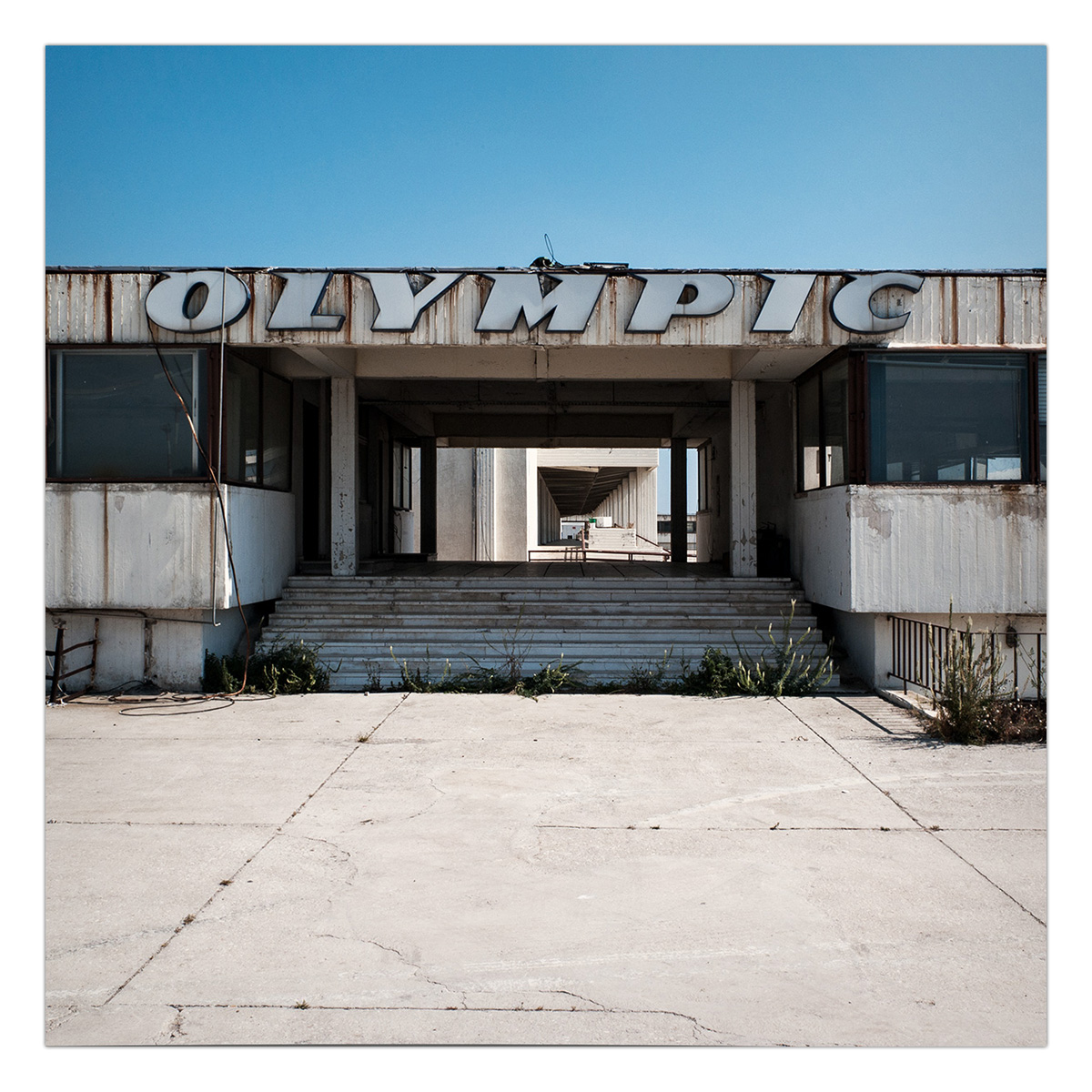
Which photography genre will always keep you inspired?
Applied Photography won't cease inspiring me. Photography which is created for a specific reason, which means that there is a concept. I have been taking pictures professionally for more than 40 years, mainly architectural and industrial subjects- but theatrical stages as well. I cooperate with very special people, whose work is inspiring to me. The ultimate goal is to illustrate their work in a way that they, themselves can see images that will confirm their creation. Hopefully they may see beyond that( the documentation of their work) they may see the transcendence -which is not always visible on the natural level, but only in the photography.
Have you ever referred to an old photo of yours and read it differently as time passed by? How can the meaning of a picture change when you see it retrospectively?
I always refer to old photos and, most of the times, I read them in the same way. Sometimes though, maturity and age wisdom (you may call it experience as well) make me see /read something more, usually deeper. It is then when I say that this photo is good. The meaning does not change as a photo becomes older. The longing for the past changes. It becomes stronger. Sometimes it brings about some sorrow as well.
When do you understand that a field has come to its end as a subject? How do you know that it is time for you to move on?
In the film era, there were good photos and bad photos. Consequently, we had good photographers and bad photographers. It's as simple as that. In the modern world of the digital easiness, there are few good photos and a lot of (way too many indeed) bad photos. So, we have got few good photographers and lots of, far too many, bad photographers.
The worst, though, is on the way. It lies ahead. It's the degradation (the ultimate degradation) of photography by the social media. There are not good and bad photos there. There are few (too few though, way too few) good photos and all the rest are indifferent and boring. And there are lots- far too many- multiplying in geometric progression. This invasion of countless boring and totally indifferent pictures, is probably arranging not only my departure but the departure of all those who are genuine photographers. Photographers who are entitled to be called photographers not just because they bought a camera or a cell phone.
You see, if you buy a camera you become a photographer. On the contrary, if you buy a piano you are just a piano owner.
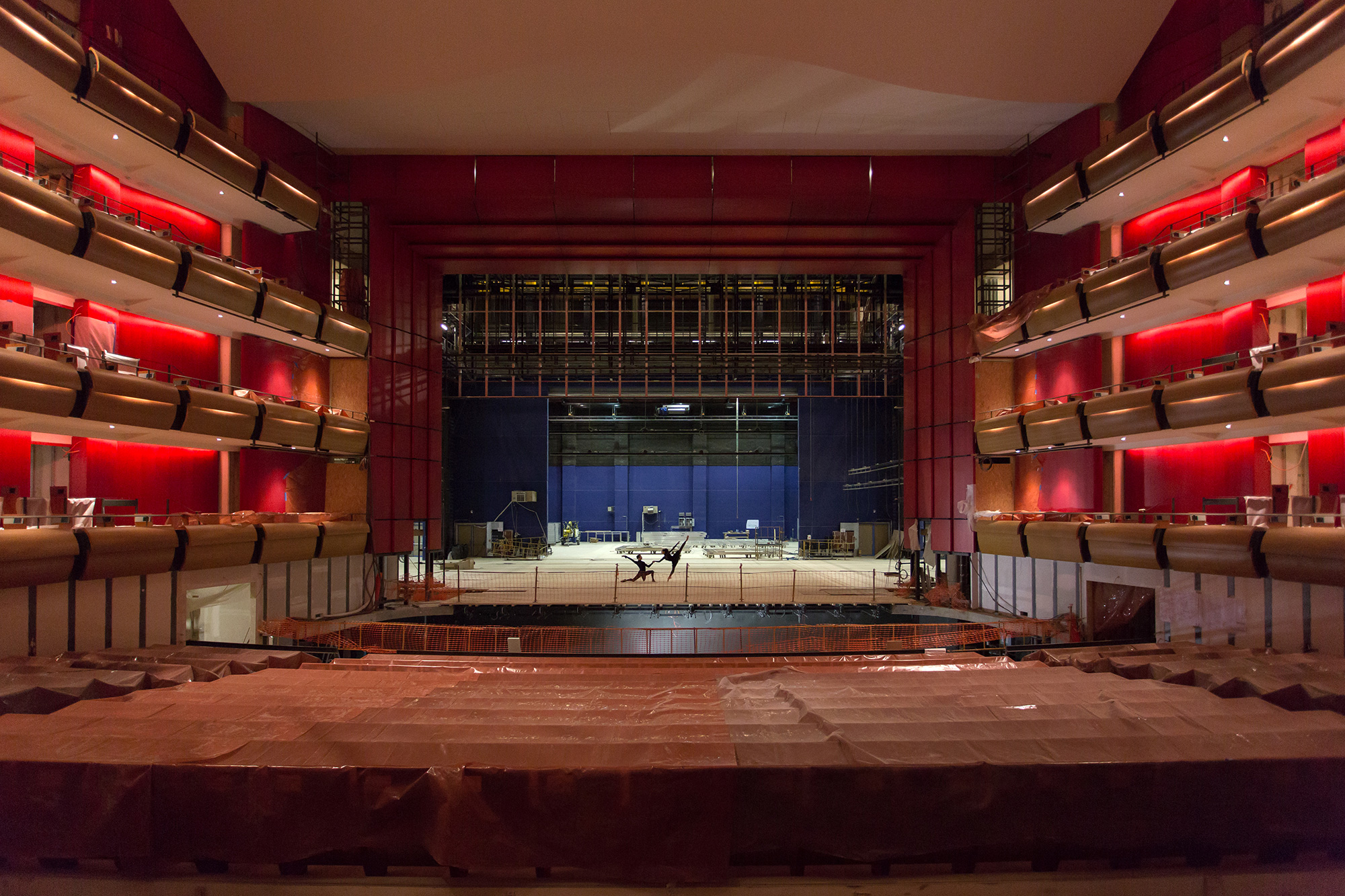
If we removed the camera from the equation what would remain as "photography"? Is the way of looking more essential than the medium?
There's no doubt that the way of looking is more important than the medium. That's why a good photographer can work with every camera, a good or a bad one, a cheap or an expensive one. However, just because photography is directly dependent on technology( unlike painting or poetry for example) when there are demands for its application it requires good equipment. That doesn't mean that your approach to the subject won't be done simply ( for instance using a stable 35mm lens) but, that after clicking the shutter you have to open the file on your P.C which entails dealing with technology.
This year, in the First Photography Meeting of Kalamata, we will have the opportunity to watch an interesting workshop of yours. Would you like to tell us a few things about this? Also, what do you think about this initiative?
As I have already said to the president of your team, Nikos Iliopoulos, to me, this initiative will be one of the greatest and most important photographic events( if not the most important) that has ever been organized in Greece.
First and foremost, the Artistic Curator of the event will be Giorgos Arvanitis, a world famous Director of Photography- Film Maker, who, apart from all the rest of his movies both in Greece and abroad ,recording the films of the unforgettable Theodoros Angelopoulos, depicted Greece -the Greek landscape- in a unique and magic way, like nobody has managed to record /photograph/ illustrate, nor anybody will ever be able to do this, because there won't be that era in the Greek Film Industry or that Greece again.
Being honored by the presence of such an iconic figure of Photography, who is the Artistic Curator of the event, creates automatically a unique condition. Including all the photographers that will take part, the exhibitions, the lectures the workshops etc. it will be a real explosion not only in the Photography field.
As for my own presence, apart from the exhibition, I will give a lecture on Scene Photography, honoring Giorgos Arvanitis and I will organize a workshop on Architectural Photography, which is not definite yet.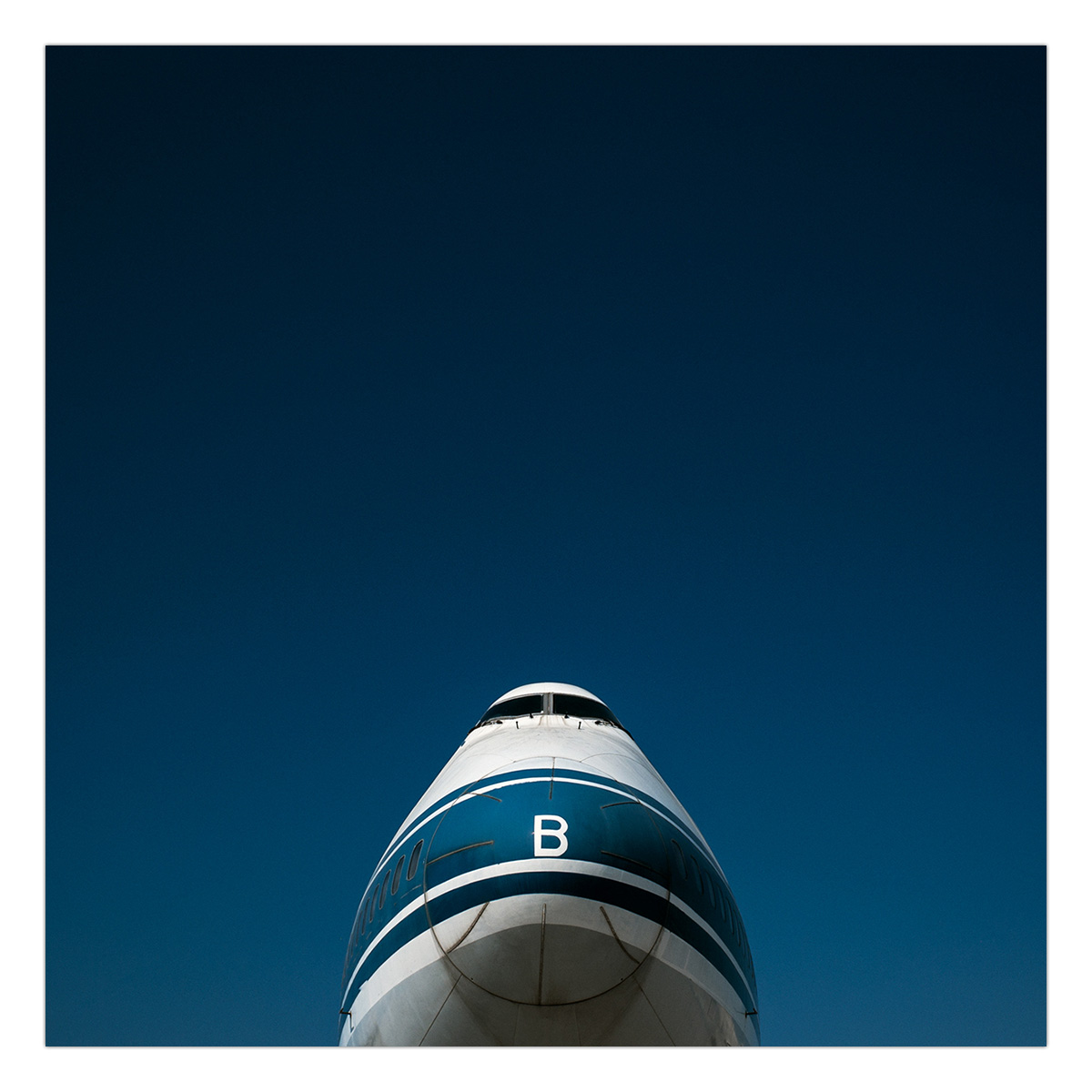
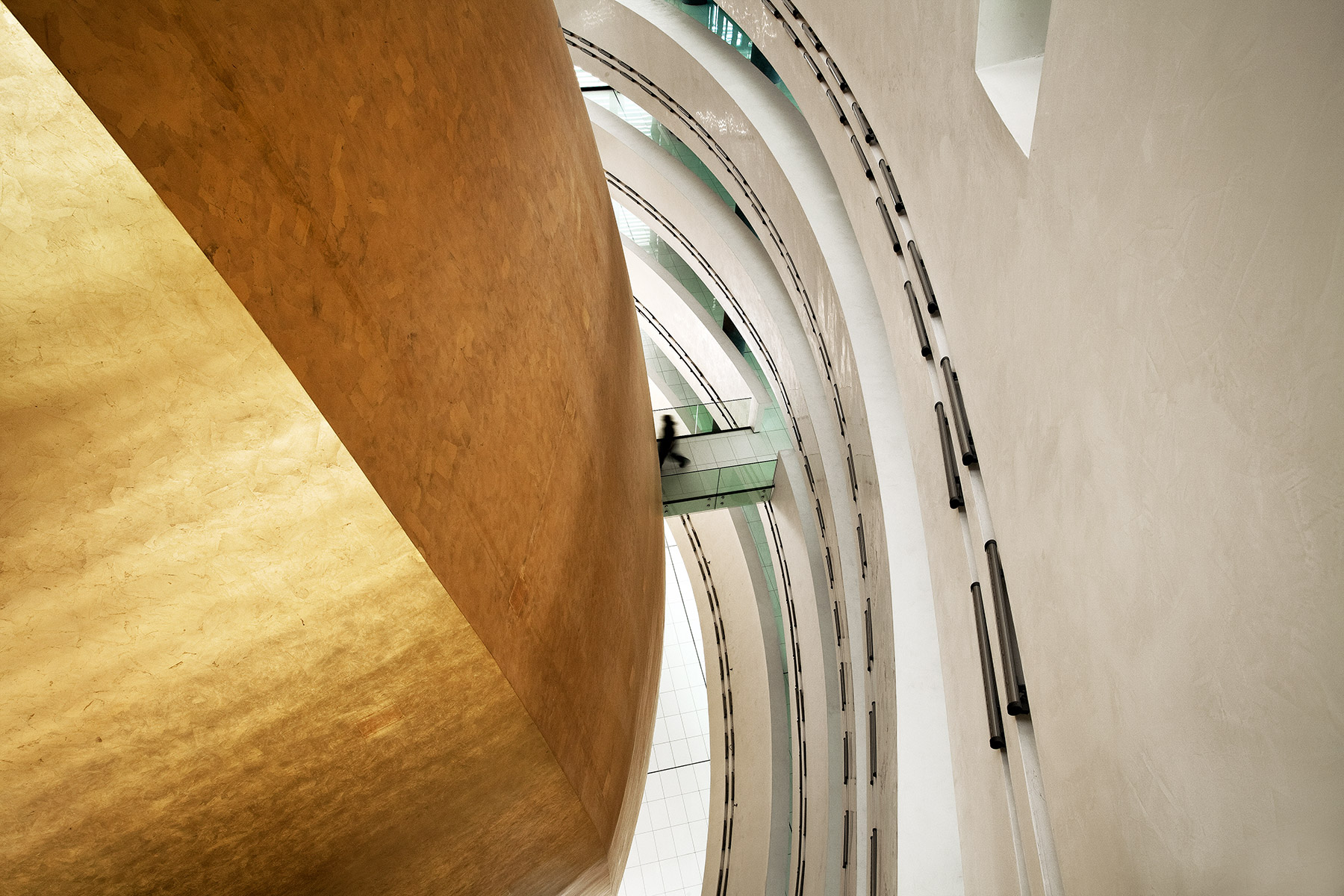
Two
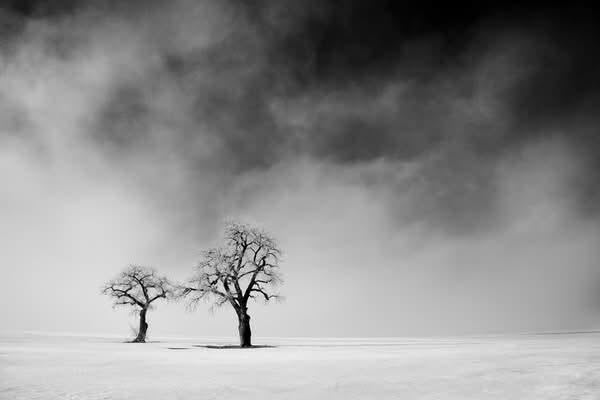
Our monthly theme for friends of our Facebook group.
Grab your camera or phone, explore this month's theme and share your own shot with the group.
Newsletter
Contact
-
Address:
Building No. 9, Eastern Center, Kalamata
(opposite ERT Kalamata) -
Phone:
+30 6974 655 551 -
Email:
photokalamatas@gmail.com - Website: www.fokal.gr
Social Media
-
Facebook Page:
Kalamata Photography Association – F.O.KAL. -
Facebook Group:
Friends of the Kalamata Photography Association – F.O.KAL. -
Instagram:
@fokal_kalamatas